LEITH STUDIOS BECKON NEW ERA FOR SCOTTISH FILM AND TV
The new First Stage studios are a statement of intent for Scotland
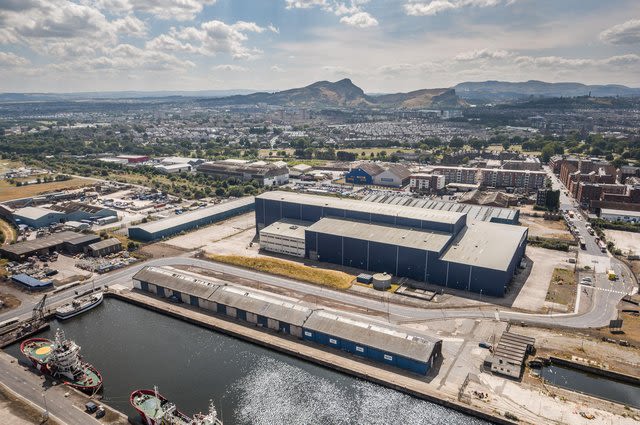

The freshly built First Stage Studios in Leith mark a new standard for film and television production in both Edinburgh and Scotland. The development, which was signed off prior to the outbreak of the Covid-19 pandemic, has been the home of production for The Rig for the past year. Funded by the Scottish government following the securing of funding by television and film producer Bob Last and Jason Connery, the studios stand as the beginning of a new era of audio-visual output for the nation.
From the black and white perils of the Forth Bridge and the vistas of the Highlands in Alfred Hitchcock’s 1939 masterpiece The Thirty-Nine Steps, to the singsong sacrifices by cultists in jumpers of The Wicker Man (1973) and the grimy realism of Trainspotting (1996) Scotland has been the backdrop for an array of acclaimed and commercially successful films. But while it served as an important landscape and narrative force in those three pictures, Scotland has never been a film country. It does not have its equal to Pinewood Studios, the glamour of Hollywood, or the money-spinning magnetism of Hong Kong. Scotland on screen, and therefore Scotland in many movie-going, TV-watching consciousness, was for a long time invariably one of beautiful, bleak landscapes, problematic druid cults, and biohazardous toilets.
The last few years has seen a sea-change, however. The global success of Outlander, with its kilts and killings and Sam Heughan’s cheekbones, was the parting musket shot, as Scotland arrives in the world of grown up, marketable products. Outlander was distributed to eighty-seven territories, from China to the USA. You can take Outlander tours of the Lowlands and Highlands. A recent VisitScotland survey states that 8% of leisure visitors to Scotland (around 700,000 domestic and international visitors) were influenced by a TV programme about Scotland and, in the case of Outlander, filming locations including Preston Mill and Glasgow Cathedral doubled their number of visitors as of 2018, a trend one would have expected to increase were it not for a global pandemic.
The boon in tourism that Outlander afforded the country created a renewed interest the likes of which the National Trust only dream they were capable of. The new studios, Amazon’s backing of The Rig, and the two yet to be announced projects due to begin production upon its completion mark the logical next stages of Scotland’s new status as a bankable location for big-spending studios. Indeed, there has been a 66% increase in the number of film and television companies in Scotland in the past decade.
In June of this year, the latest Indiana Jones sequel filmed here. Before then, Michael Winterbottom and Steve Coogan’s latest effort, The Lost King, was filming in Stockbridge, Edinburgh. A couple of years ago the city’s Royal Mile stood still as expensive cars were smashed and rolled in preparation for their star-making turns in F9, the one hundred and sixty-first entry in the Fast and the Furious series. Put these alongside Edinburgh’s being the setting for Eurovision Song Contest: The Story of Fire Saga with Will Ferrell, released last year, and the recent images of scenes from Flashpoint, DC’s next film which includes one Flash and two Batmen, seen this week filming in Glasgow’s George Square, Scotland’s status as a film-making hotspot appears to be in rude health.
I recently spoke to David Macpherson, the creator and writer of The Rig. He was greatly enthused about the opportunities the new studio offered the country. He said: “I certainly want Scotland to make film and TV on the scale of top global producers. The set up here is excellent, we have a studio, an editing room so we can edit on-site. The director can shoot something in the morning and edit it in the afternoon. I think [it’s] going to be very good for Edinburgh going forwards.”
The money invested in the studios will undoubtedly pay-off for Scotland. That the complex has already secured what will surely be a national, likely international, hit is indicative of this. The Rig boasts an all-star cast, including Martin Compston (Line of Duty, The Nest), Iain Glen (Game of Thrones), Mark Bonnar (Catastrophe, Quiz) and Emily Hampshire, star of the hit Canadian comedy Schitt’s Creek. It will be directed by John Strickland, who directed several episodes of both Line of Duty and The Bodyguard. Not only will the show feature some of the most recognisable Scottish actors working today, but, in Hampshire, there is a genuine international pull, and in Strickland, an assured director who has helmed the two most successful British television shows of the last decade. In short, The Rig promises to be far more cheesecake than oatcake.
In film and television, Scotland is on the up and up. The First Stage Studios are testament to this – a purpose-built film and TV monolith which seems destined to stand the test of time and secure a legacy for Scotland on the big and small screens.

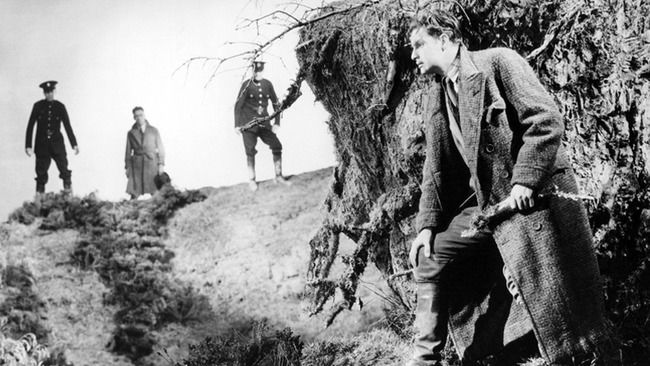
Robert Donat as Richard Hannay evades police in the Highlands, in The Thirty-Nine Steps (1935). Image: Criterion.
Robert Donat as Richard Hannay evades police in the Highlands, in The Thirty-Nine Steps (1935). Image: Criterion.

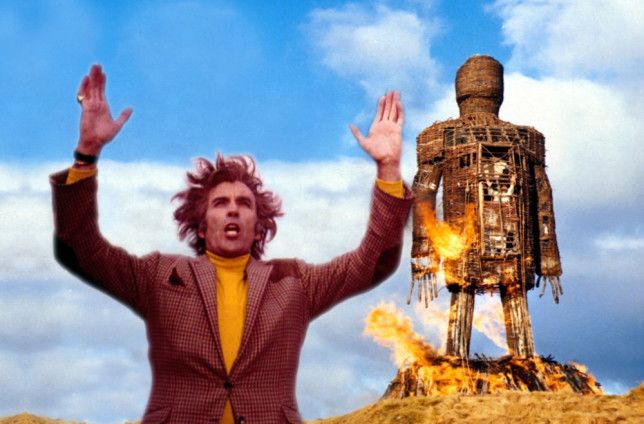
Christopher Lee as Lord Summerisle in The Wicker Man (1973). Image: Warner Home Videos.
Christopher Lee as Lord Summerisle in The Wicker Man (1973). Image: Warner Home Videos.

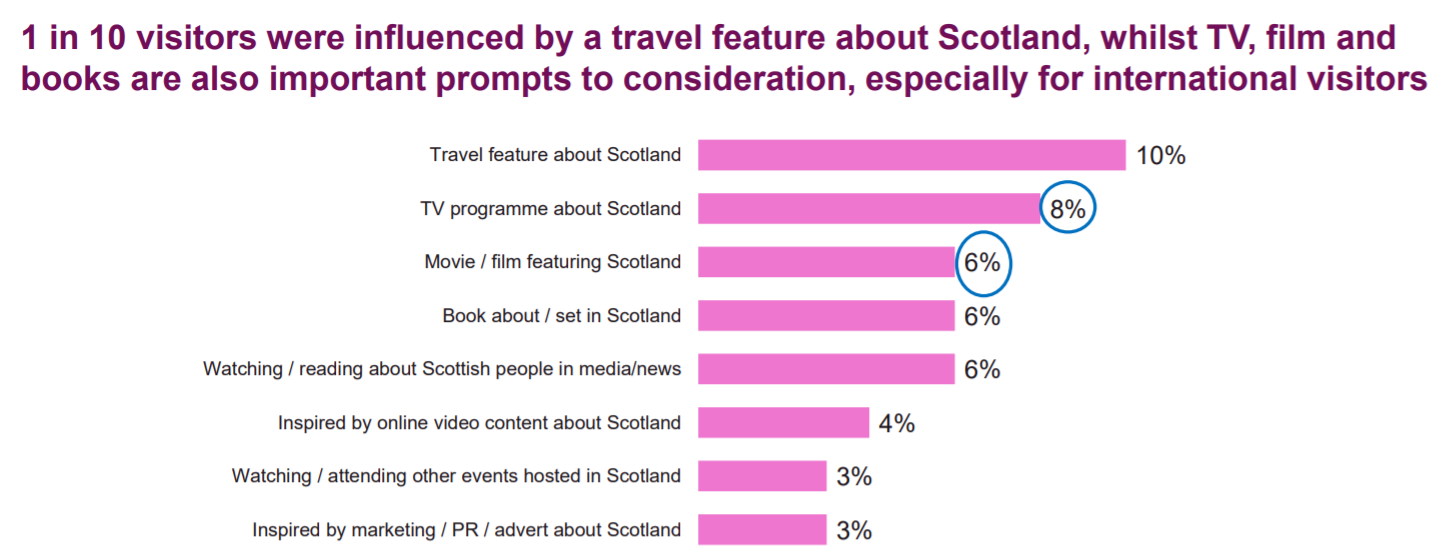
Statistics on the key influences on Scottish tourism. Source: VisitScotland.
Statistics on the key influences on Scottish tourism. Source: VisitScotland.

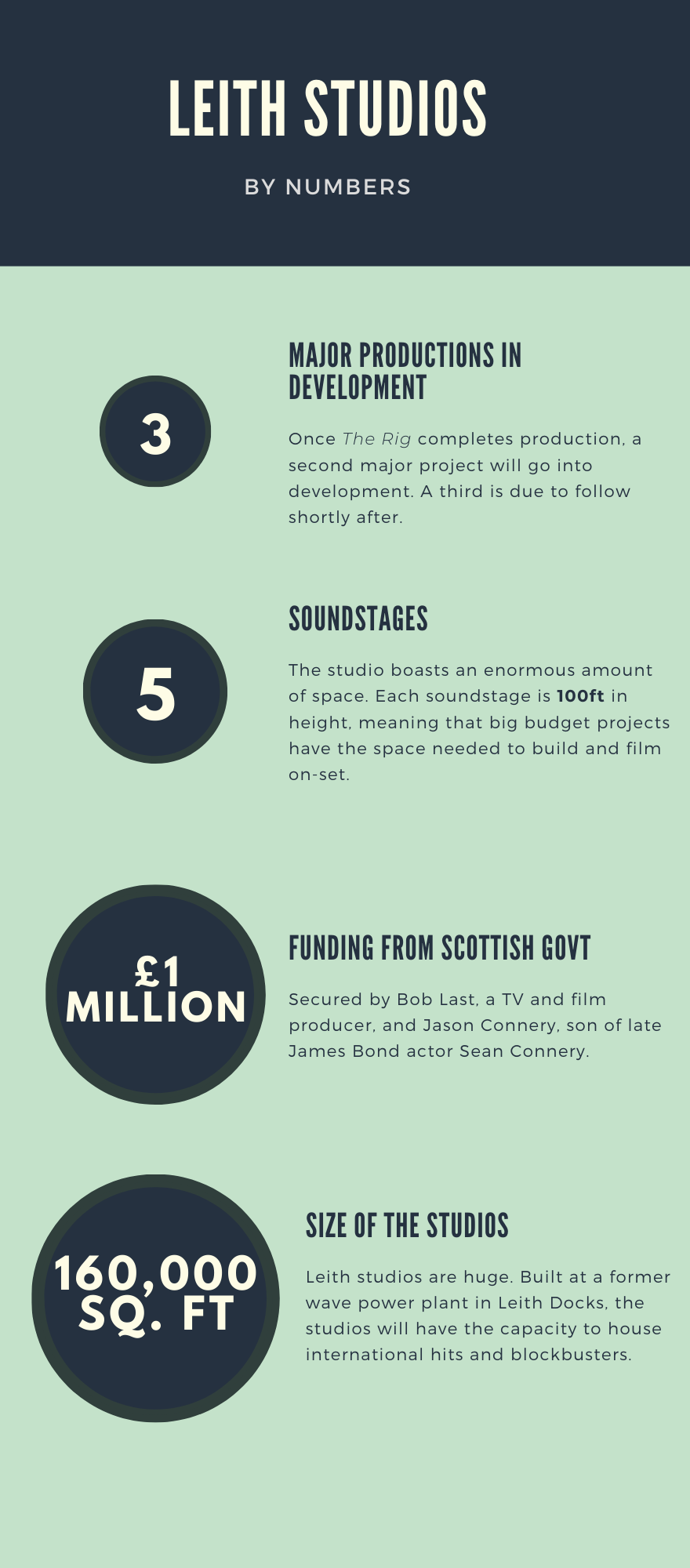

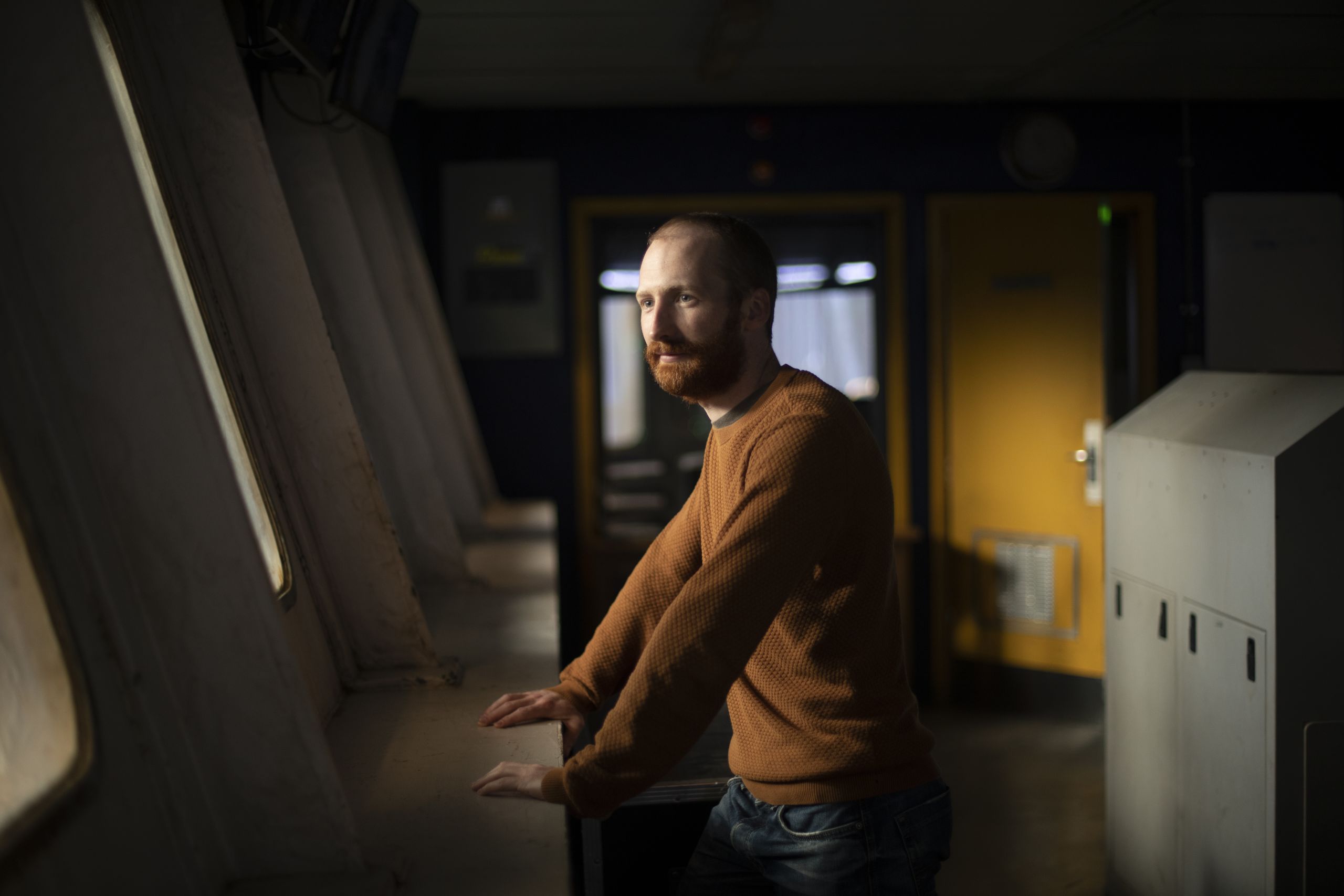
David Macpherson, writer of The Rig. Image: Mark Mainz.
David Macpherson, writer of The Rig. Image: Mark Mainz.

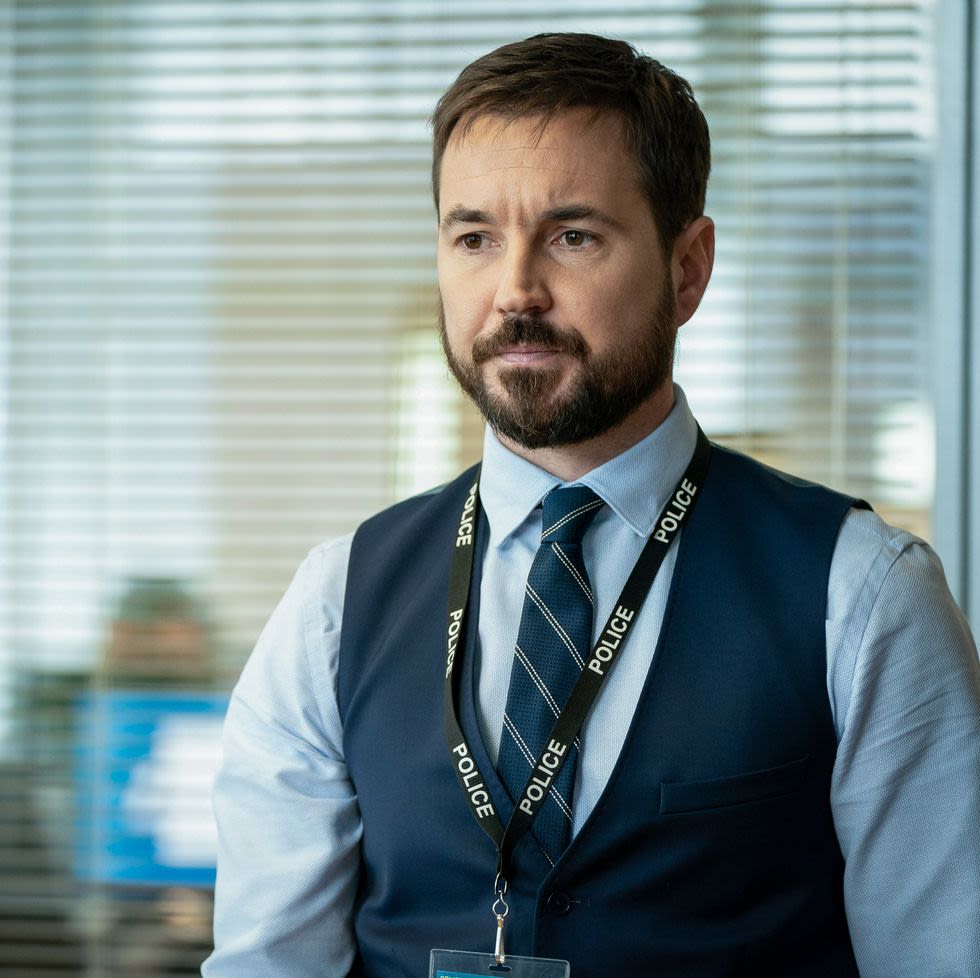
Martin Compston will swap waistcoats for waterproofs in Amazon's The Rig. Image: BBC.
Martin Compston will swap waistcoats for waterproofs in Amazon's The Rig. Image: BBC.


 Built with Shorthand